Holistic Health Approaches: Integrating Traditional and Alternative Therapies
TL;DR
Holistic health approaches focus on integrating traditional and alternative therapies to provide comprehensive health solutions.
This involves combining evidence-based conventional medicine with complementary practices such as acupuncture, yoga, and herbal medicine to address physical, mental, and spiritual well-being.
Embracing a New Health Paradigm
In my early twenties, I found myself struggling with chronic fatigue and anxiety. Traditional medicine provided some relief, but it wasn’t until I explored integrative medicine that I experienced a turning point.
By incorporating practices like yoga and meditation alongside conventional treatments, I discovered a more balanced and fulfilling approach to health.
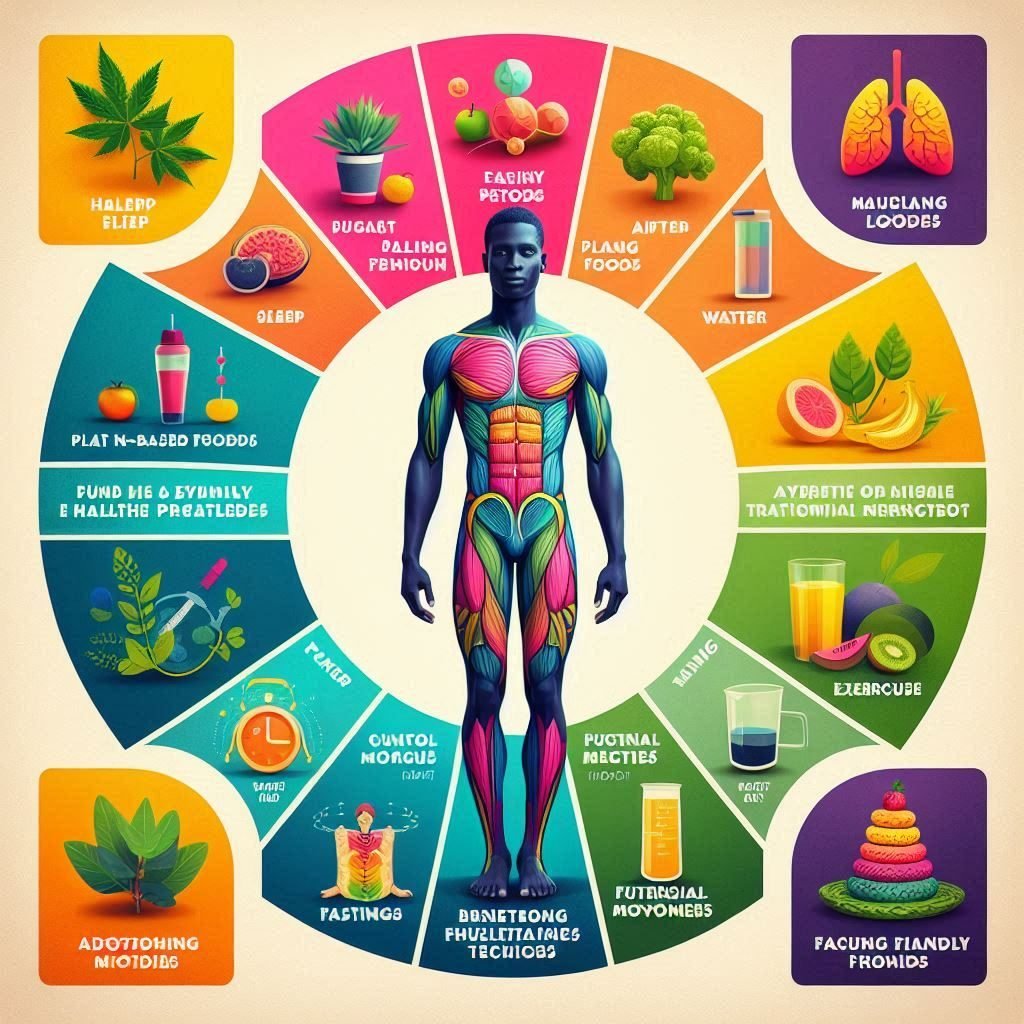
Integrative medicine combines conventional medicine with complementary and alternative therapies, offering a holistic approach to healthcare. This method emphasizes the patient’s preferences and addresses the mental, physical, and spiritual aspects of health.
The Power of Holistic Healing
The key lesson from my journey was the profound impact of holistic health approaches. Integrative medicine is not just about treating symptoms but enhancing overall well-being. It incorporates a variety of practices, including:
- Acupuncture: Used to alleviate pain and reduce nausea during chemotherapy.
- Meditation and Yoga: Promote mental and physical wellness, helping to manage stress, anxiety, and depression.
- Herbal Medicine: Utilizes natural plant-based products for healing and maintaining health.
These therapies are often used alongside conventional treatments to provide a more comprehensive health solution.
Benefits of Integrative Medicine
Integrative medicine offers numerous benefits, supported by growing scientific evidence:
- Personalized Care: Tailors treatments to individual needs, preferences, and conditions.
- Enhanced Well-being: Addresses the whole person, including physical, emotional, and spiritual aspects.
- Evidence-Based Practices: Combines the best of conventional and complementary therapies, ensuring safety and effectiveness.
Research shows that integrative approaches can improve quality of life for individuals with chronic illnesses, reduce stress, and enhance resilience.
A Journey Towards Comprehensive Health
Incorporating integrative medicine into my life was transformative. It taught me that health is not just the absence of disease but a state of complete physical, mental, and social well-being. This holistic approach empowers individuals to take an active role in their health journey, combining the best of both worlds for optimal outcomes.
Final Thoughts
Holistic health approaches, through the integration of traditional and alternative therapies, offer a promising path to comprehensive health solutions. By embracing these practices, individuals can achieve a balanced and fulfilling state of well-being. As more research supports the effectiveness of integrative medicine, it is becoming an essential component of modern healthcare.
Shareable Quotes:
“Integrative medicine is not just about treating symptoms but enhancing overall well-being.”
“Health is a state of complete physical, mental, and social well-being, not just the absence of disease.”
IMPORTANT MENTAL HEALTH DISCLAIMER
This article provides informational and educational content. It is NOT a substitute for professional medical advice, diagnosis, or treatment.
If you are experiencing suicidal thoughts, self-harm urges, severe depression or anxiety, trauma, PTSD, or symptoms of serious mental illness, please seek professional help immediately. Contact a licensed therapist, psychiatrist, or crisis service:
- 🚨 National Suicide Prevention Lifeline: 988 (call or text)
- 💬 Crisis Text Line: Text HOME to 741741
- 🆘 SAMHSA National Helpline: 1-800-662-4357
- 🌍 International Crisis Resources: https://www.iasp.info/resources/Crisis_Centres/
- 🌐 Global Crisis Numbers: Click here for >>> Global Crisis Numbers
AI mental health tools and apps work best as supplements to professional care, not replacements. They can support habit formation, daily emotional check-ins, and mild to moderate symptoms, but they cannot replace licensed therapy for complex or crisis-level conditions. Always discuss new mental health tools with your healthcare provider before starting.
Click here to read our >>> Mental Health Disclaimer
💬 Join the Conversation: Your experience matters! Share your thoughts, questions, or insights in the comments below. What resonated most with you from this article?